How to prepare a rental property between tenancies
Key Takeaways
- A thorough inspection between tenancies can identify maintenance issues early, while dated photos, reports and records provide a useful audit trail for landlords.
- Deep cleaning kitchens, bathrooms, floors, windows, cupboards and appliances can help ensure the property is presented to a consistent standard for the next tenant.
- Outdoor areas should not be overlooked, with gardens, paths, fences, gates, sheds and external lighting checked, tidied and repaired where necessary.
- The gap between tenancies is a useful opportunity to check safety measures and essential systems, including alarms, electrical fittings and heating, and ensure required checks are up to date.
- Completing repairs and small improvements before remarketing can enhance the property's presentation, attract suitable tenants and help maintain its condition over the longer term.
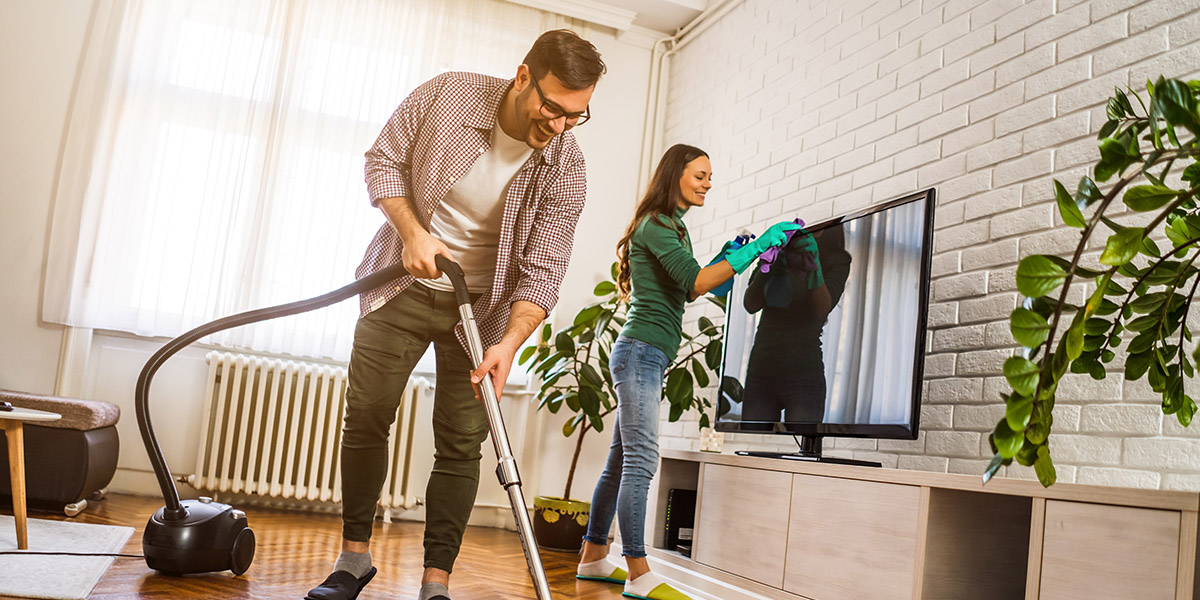
When a tenancy comes to an end, there is often a short window between one tenant moving out and the next moving in. Using this time effectively can help landlords keep their property in good condition, address maintenance issues promptly and ensure it is ready to make a positive first impression.
Whether you manage the property yourself or use a professional lettings service, these steps can help you prepare your rental property between tenancies.
1. Inspect and assess the property
Start with a thorough room-by-room inspection as soon as the previous tenant has left. Compare the property with the check-in inventory and check-out report, taking care to distinguish between fair wear and tear and damage that may require attention.
Test doors, windows, locks, plumbing, heating, lighting and any appliances supplied with the property. Take clear, dated photographs or videos of the property's condition, including close-ups of any issues.
Keep these records alongside contractor quotes, invoices, receipts and relevant correspondence. Together, they provide a useful audit trail, helping you prioritise maintenance, budget for remedial work and demonstrate when repairs were completed. Good records can also be helpful if there is a dispute over proposed tenancy deposit deductions.
2. Arrange a deep clean
A property should be thoroughly cleaned before it is marketed or handed over to a new tenant. Pay particular attention to kitchens, bathrooms, floors, windows, skirting boards, cupboards and appliances.
Remove limescale, grease and lingering odours, and consider using professional cleaners to ensure the property is cleaned to a consistent standard. Once the clean is complete, carry out another inspection to identify anything that may have been missed before new photographs are taken or prospective tenants visit.
3. Tidy and maintain outdoor areas
Don't overlook the property's exterior. If there is a garden, cut the grass, trim hedges, remove weeds and fallen leaves, clear paths and dispose of any rubbish left behind.
Check fences, gates, sheds, external lighting and paving for damage or potential safety concerns, arranging repairs where necessary. A tidy, secure outdoor space creates a good first impression and helps establish the standard of upkeep expected during the next tenancy.
4. Check safety and essential systems
The period between tenancies is a useful opportunity to make sure essential safety measures are in place and any required checks are up to date. Check smoke and heat alarms, carbon monoxide detectors, electrical fittings and heating systems, and arrange any necessary inspections or remedial work.
Landlords should also make sure the property continues to meet their legal responsibilities before a new tenant moves in. If you use a letting agent, they can help you keep track of relevant checks, certificates and safety requirements.
5. Carry out repairs and refresh the property
Once the property has been inspected and cleaned, deal with outstanding repairs before the next tenant arrives. This could include fixing dripping taps, touching up paintwork, replacing damaged fittings or repairing doors and cupboards.
It is also worth considering whether small improvements could make the property more appealing to prospective tenants. Refreshing tired décor, replacing worn furnishings or upgrading fixtures may improve the property's presentation and help maintain its condition over the longer term.
6. Review the property's presentation
Before remarketing the property, take a step back and consider it from a prospective tenant's perspective. Is it bright, clean and uncluttered? Are photographs showing the property at its best? Does the advertised description still accurately reflect what is being offered?
Making sure the property is presented well before viewings can help attract suitable tenants and gives them a clear impression of the home they could be renting.
Preparing for the next tenancy
Taking time to properly prepare a rental property between tenancies can help landlords identify problems early, maintain the property's condition and provide a better experience for incoming tenants. Keeping clear records and addressing issues promptly can also make managing a property more straightforward.
Whether you're new to buy-to-let or growing your property portfolio, ESPC Lettings can provide expert guidance, tenant management and a full property management service. Based in Edinburgh, the ESPC Lettings team supports landlords throughout the letting process. To find out more, contact landlord@espc.com or call 0131 253 2847.