How to weatherproof your home: 14 tips to prepare for winter
Key Takeaways
- Prepare your heating system for winter by servicing the boiler, checking the thermostat and bleeding radiators to help your home stay warm and use energy efficiently.
- Reduce heat loss and draughts by sealing gaps around windows, doors and floorboards, using thermal curtains and keeping radiators unobstructed.
- Improve comfort and energy efficiency with practical measures such as loft insulation, suitable radiator settings, rugs and blankets.
- Check the roof, chimney and gutters before winter weather arrives to help prevent leaks, damp and costly water damage.
- Protect your plumbing by repairing dripping taps, insulating exposed pipes, locating the stopcock and keeping the heating on low when away during cold weather.
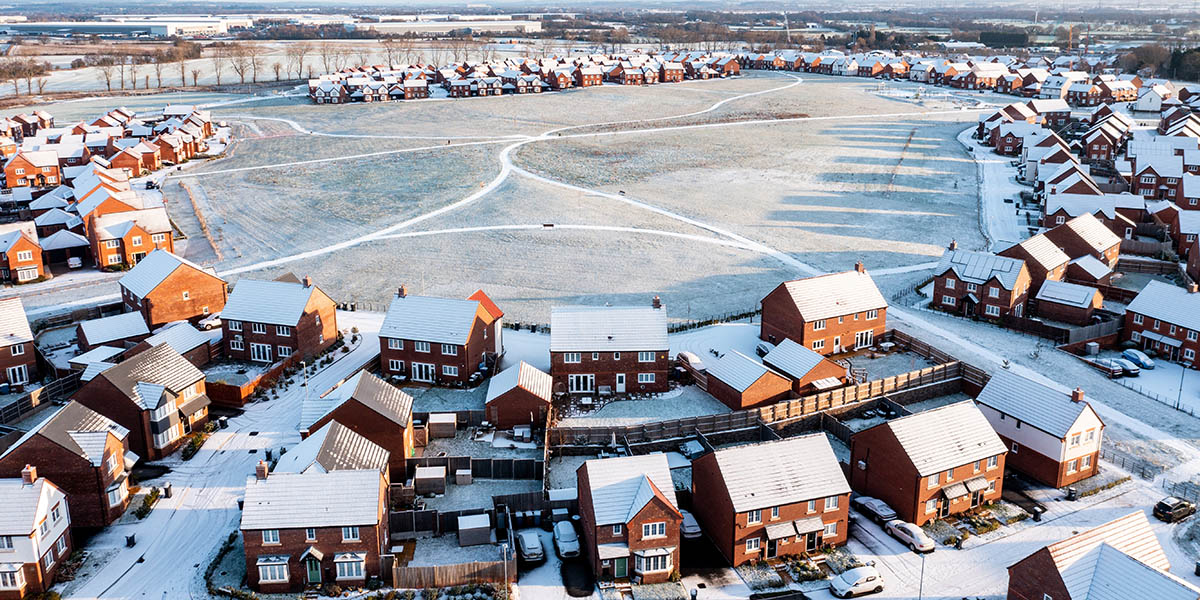
How to weatherproof your home: 14 tips to prepare for winter
Like it or not, winter is on its way, and so it’s time to make sure your home is prepared for the weather ahead. We all know how expensive the bills can get, so if you’re looking for ways to keep your home warm and dry, without spending a fortune, read on for some top tips on weatherproofing your home and improving its energy efficiency.
How to keep your home warm and prevent heat loss
1. Service your boiler
Book an annual checkup to make sure your boiler is working efficiently. If it needs repairs, it’s better to find out before it’s already freezing outside. Regular boiler maintenance can help keep your heating system running effectively throughout winter.
2. Upgrade your thermostat
Did you know that thermostats can degrade over time? Upgrading to a modern one, or even an app-controlled version, can help you keep track of how much energy you’re using, and help you use it effectively. A smart thermostat can also give you greater control over your home's heating and energy consumption.
3. Draught-proof the windows
About 20% of your home’s heat is lost through the windows. Apply self-adhesive foam tape around the frames to stop draughts or use sealant on larger cracks. For single-glazed windows, thermal film can act as secondary glazing. Draught-proofing windows is a simple way to reduce heat loss and make your home more comfortable.
4. Fill the gaps in your floorboards
We love the look of original floorboards, but they are draughty, so try filling the gaps with rubber tubing or a wood sealant. Sealing gaps in floorboards can help prevent cold air from entering your home.
5. Bleed your radiators
Learning how to bleed your radiators can save you money; it makes sure there’s no trapped air, which can stop them working effectively. This simple home heating maintenance task can help your radiators heat your rooms more efficiently.
6. Draught-proof the doors
Place draught-proofing strips between the door and the doorframe and add a brush-style draught excluder. For extra warmth, add a plush excluder and key/letterbox covers too. Draught-proofing doors is another inexpensive way to keep cold air out and warm air in.
7. Make your curtains work harder
Investing in thermal curtains, or adding a thermal lining to your existing curtains, can reduce heat loss by up to 25 per cent. You can buy clip-in thermal linings for a cheap, easy solution. During winter, keep your curtains open until dusk to allow sunlight to warm up the room naturally, then close them to lock the heat in.
Winter home maintenance to prevent damp and damage
8. Check and clear the gutters
An afternoon spent clearing your gutters can help prevent overflowing and potential leaks during the wetter months. Adding wire mesh can also prevent future build-up of debris. Keeping your house gutters clear is an important part of preparing your property for winter.
9. Rearrange your furniture
Yes, it’s that easy! Keep yourself away from the windows and doors, and leave radiators unobstructed. Placing tinfoil behind radiators can bounce heat back into the room too.
10. Check the roof and the chimney
Examine your roof for signs of damage like cracks, missing or damaged tiles or moss, so you can avoid leaks. While you’re there, check the flashing and pointing of your chimney too. Roof maintenance before winter can help prevent water damage and costly repairs.
11. Set your radiators at the right temperature
Having all the radiators set to maximum means your bills will be higher than necessary, but too low means your boiler will be working hard for minimal output. If you’re in a house, set the downstairs radiators to 5, and upstairs to 2, to allow the heat to rise and save money too.
12. Add texture
Adding a cosy wool rug looks great but can block draughts too. Add thermal curtains and blankets, and make sure you have an appropriately weighted duvet, so your heating doesn’t need to run overnight. Simple ways to keep your home warm can make a big difference to your comfort during the colder months.
13. Insulate your loft
If you have a loft, use self-adhesive draught tape around the hatch, and add a layer of eco-friendly wool insulation to reduce up to 50% of heat loss. Loft insulation is one of the most effective ways to improve your home's energy efficiency and reduce heating costs.
14. Check your pipes
Repair dripping taps and add pipe jackets to external pipes to reduce the chance of them bursting. Find out where your stopcock is, as this could be crucial during a flood. And if you plan on going on holiday, remember to keep your heating on low while you’re away, to keep the pipes warm. Protecting your pipes from freezing can help prevent damage and expensive emergency repairs.