How to get your rental property ready for winter: A landlord’s checklist
Key Takeaways
- Preparing your rental property for winter can help protect your investment, keep tenants comfortable and prevent minor maintenance issues from developing into costly repairs.
- Check the heating system before temperatures drop by bleeding radiators, testing the boiler and thermostat, and insulating exposed pipes to reduce the risk of freezing.
- Prevent damp and condensation by checking extractor fans, clearing air vents, repairing damaged window and door seals, and investigating signs of moisture or mould.
- Protect the property against winter weather by clearing gutters and drains, checking the roof for damage and removing slippery leaves from paths and entrances.
- Review winter safety measures by testing smoke and carbon monoxide alarms, checking external lighting and ensuring tenants know how to report emergencies such as heating failures, burst pipes and leaks.
As temperatures drop and darker evenings set in, winter property maintenance becomes an important consideration for landlords. Preparing your rental property for the colder months can help protect your investment, keep tenants comfortable and prevent minor maintenance issues from becoming costly repairs.
From checking the heating system to protecting your property against damp, here are some essential winter maintenance tips to help ensure your rental property is ready for the season ahead.
1. Check your rental property’s heating system
A reliable heating system is essential during the winter months. Before temperatures fall further, arrange any necessary servicing and check that radiators are heating up properly.
- Bleed radiators: Remove trapped air to help your heating system operate efficiently and distribute heat evenly throughout the property.
- Test the boiler and thermostat: Ensure the heating switches on correctly and that the thermostat maintains a comfortable temperature. Arrange a professional inspection if you notice any problems.
- Insulate exposed pipes: Pipes in unheated areas, such as attics and garages, can be vulnerable to freezing. Suitable pipe insulation can help reduce the risk of bursts and water damage.
2. Prevent damp and condensation in your rental property
Cold weather and increased indoor heating can contribute to condensation, particularly in properties with poor ventilation. Taking preventative steps can help protect the property and reduce the likelihood of mould developing, something which is particularly important since the recent introduction Awaab’s Law.
- Check ventilation systems: Ensure extractor fans in kitchens and bathrooms are working correctly, and that air vents are clear. Good ventilation helps remove excess moisture.
- Inspect windows and doors: Check for damaged seals and draughts, repairing them where necessary to improve energy efficiency and help keep the property warm.
- Check for signs of damp: Look for water staining, peeling paint or musty smells, particularly around windows, external walls and ceilings. Investigate the cause rather than simply covering up the symptoms.
3. Protect your rental property against winter weather
Heavy rain, strong winds and freezing temperatures can expose weaknesses in a property’s exterior. Carrying out a few checks before severe weather arrives can help prevent avoidable damage.
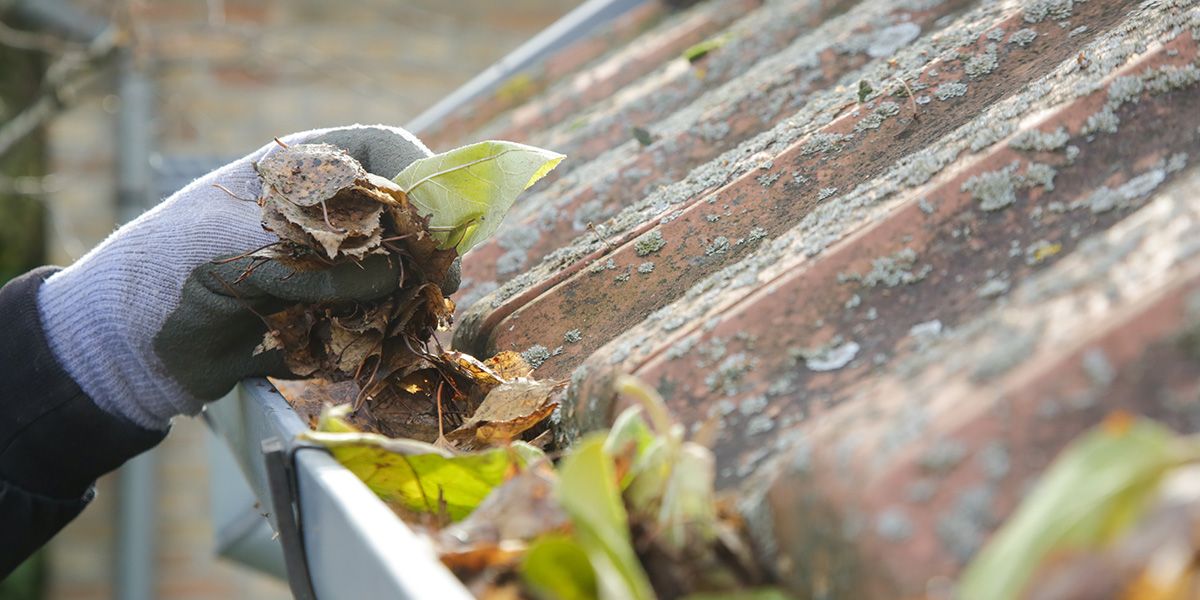
- Clear gutters and downpipes: Remove autumn leaves and debris to prevent blockages and overflowing water, which can lead to damp and water damage.
- Inspect the roof: Look for cracked, loose or missing tiles and arrange necessary repairs before winter storms arrive. Use a qualified professional to carry out roof inspections and repairs safely.
- Check outdoor drains and pathways: Clear leaves and debris from drains and check for areas where water collects. Remove slippery leaves from paths and entrances to help reduce the risk of accidents.
4. Review safety measures and winter maintenance
Winter is also a good opportunity to review essential safety measures and make sure tenants know how to report problems.
- Test smoke and carbon monoxide alarms: Check that alarms are working and that the property meets the applicable Scottish safety requirements. Arrange replacements or repairs where necessary.
- Check external lighting: Ensure entrance lights and outdoor pathways are adequately illuminated as daylight hours shorten.
- Prepare for emergencies: Make sure tenants know how to contact you or your property manager if the heating fails, a pipe bursts or a leak develops. If the property will be unoccupied, arrange appropriate checks during particularly cold spells.
Get your rental property winter-ready with ESPC Lettings
Preparing your rental property for winter is about more than keeping it warm. Proactive maintenance can help protect your investment, support tenant wellbeing and reduce the risk of unexpected repair bills during the coldest months.
If you would like support managing your property, ESPC Lettings can help landlords navigate the practicalities of renting out a property. Whether you need a tenant-finding service or ongoing property management, the team can help you understand your options and find a service that suits your needs. Visit ESPC Lettings to find out more.